Photo Credit - Bassem Nimah, DoT Bhutan


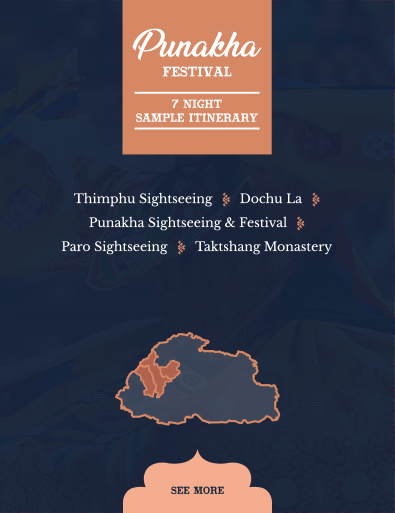
 Thimphu
Dochu La
Punakha
Gangtey
Wangdi
Paro
Thimphu
Dochu La
Punakha
Gangtey
Wangdi
Paro
Map














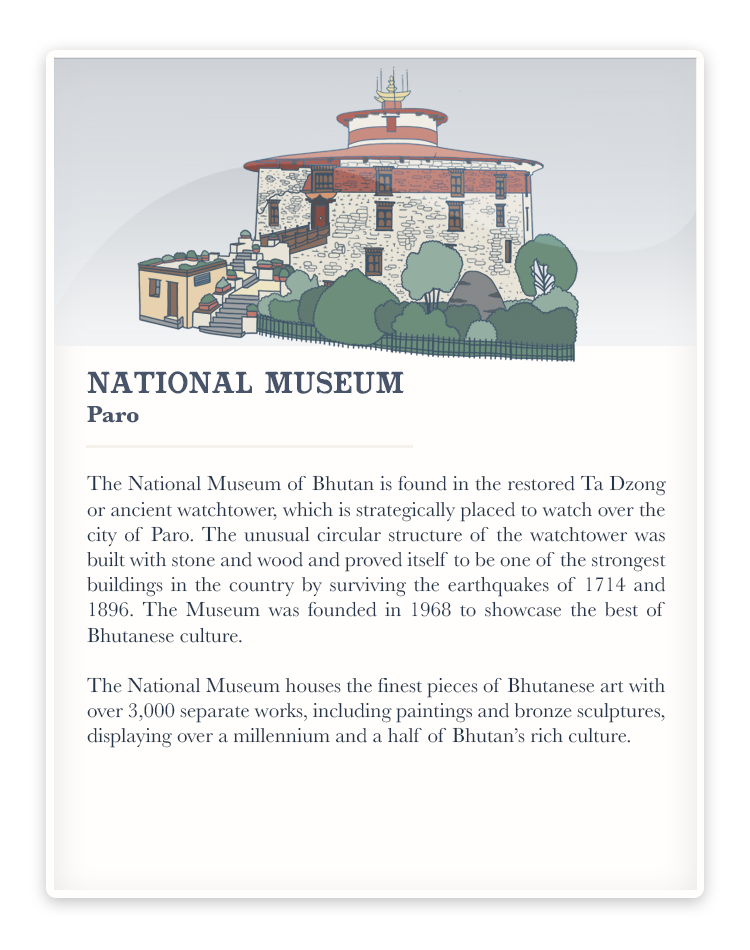
NATIONAL
MUSEUM
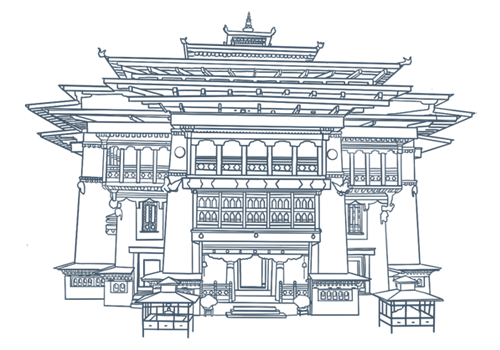
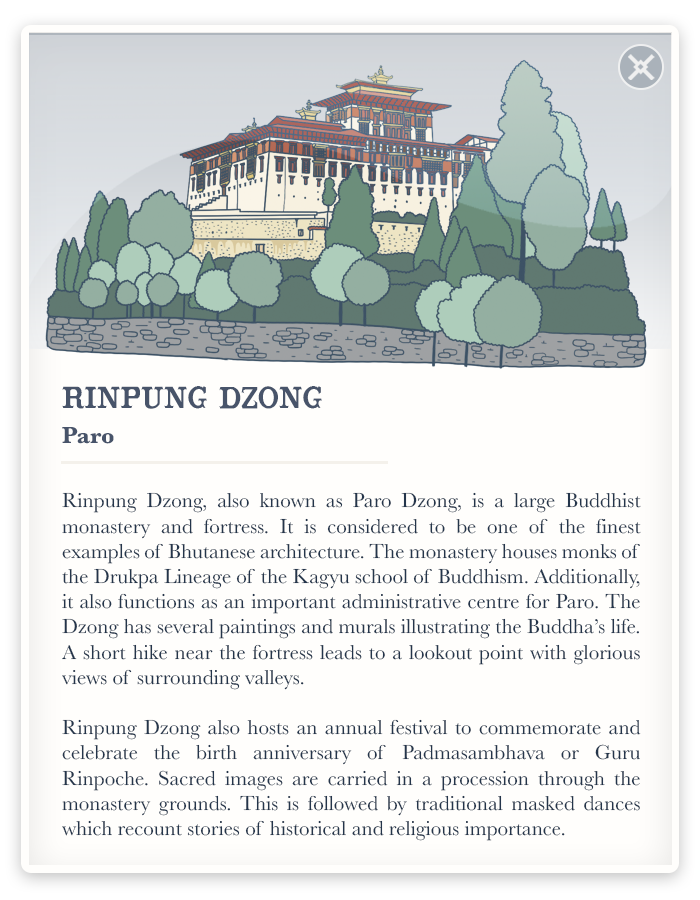
RINPUNG
DZONG



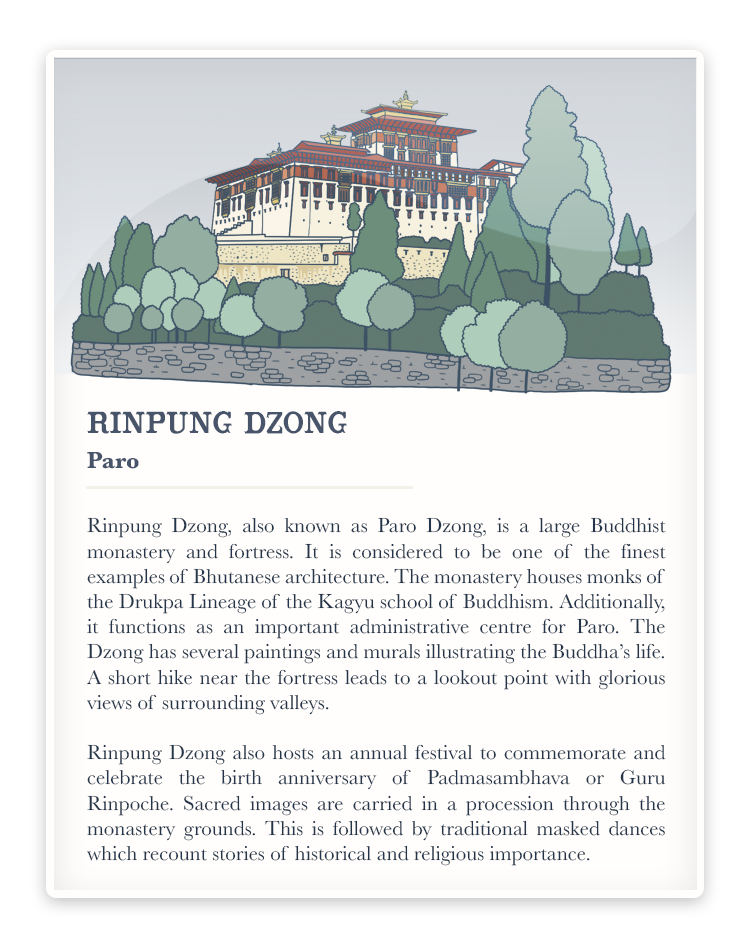
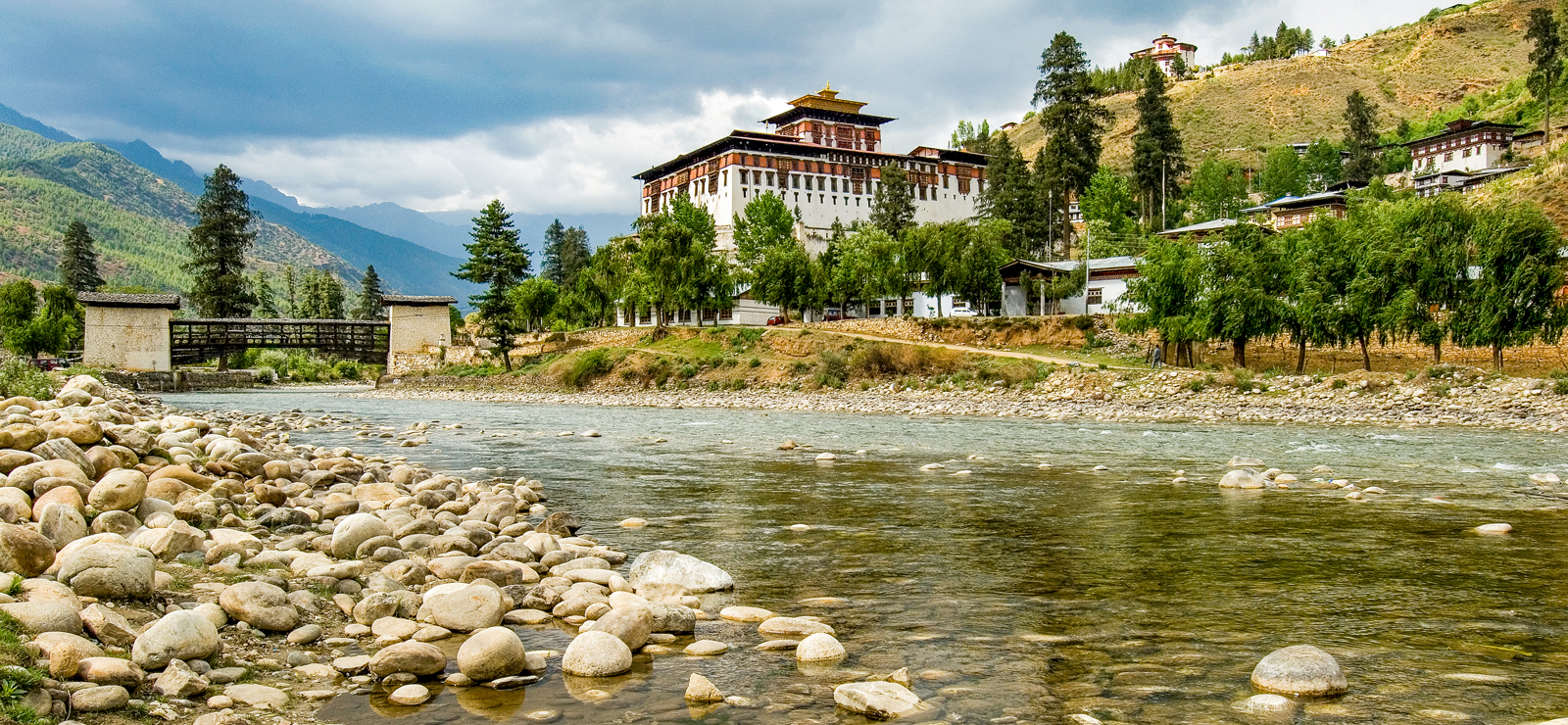









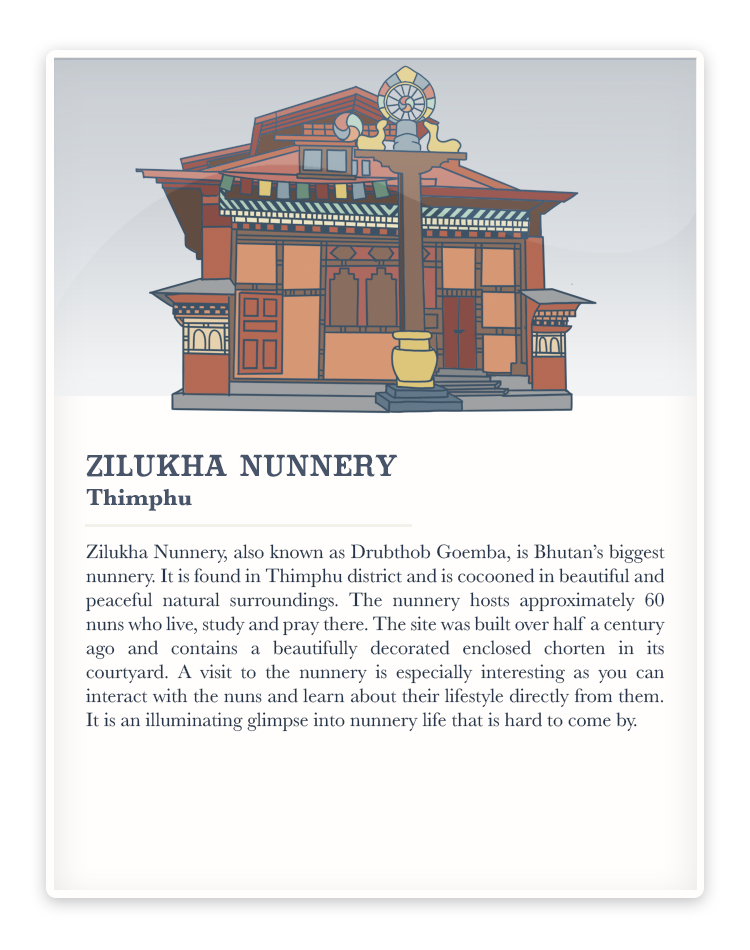
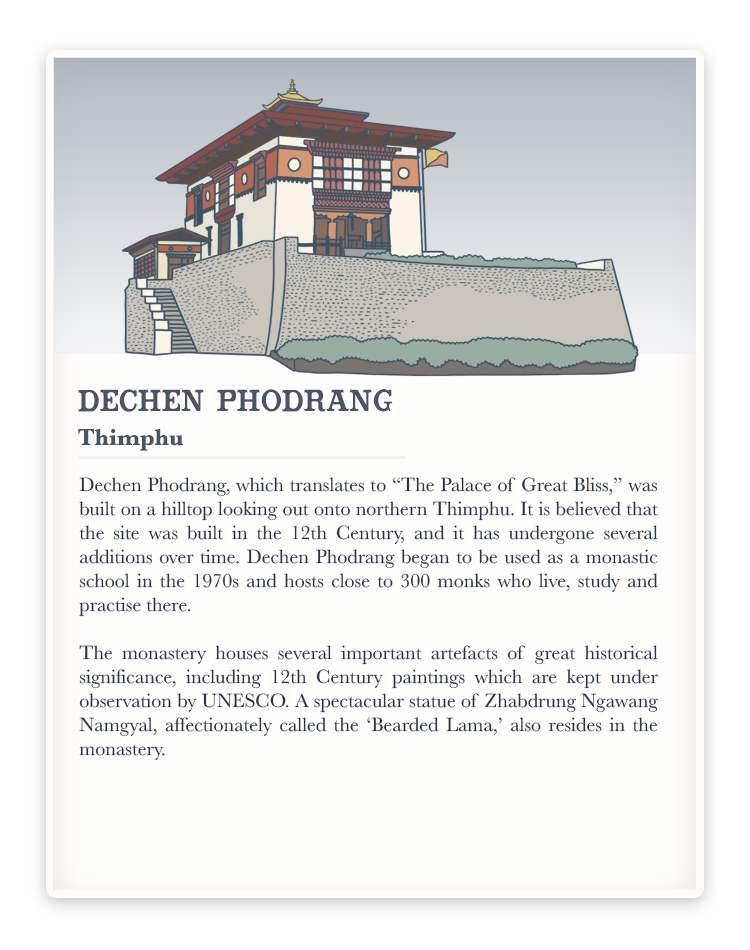
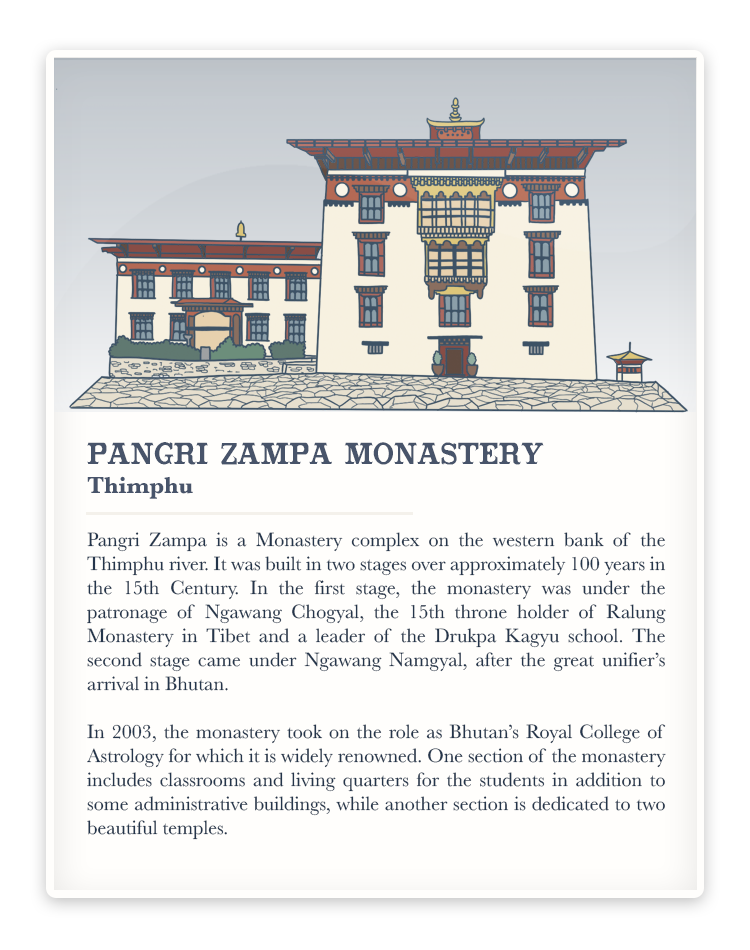
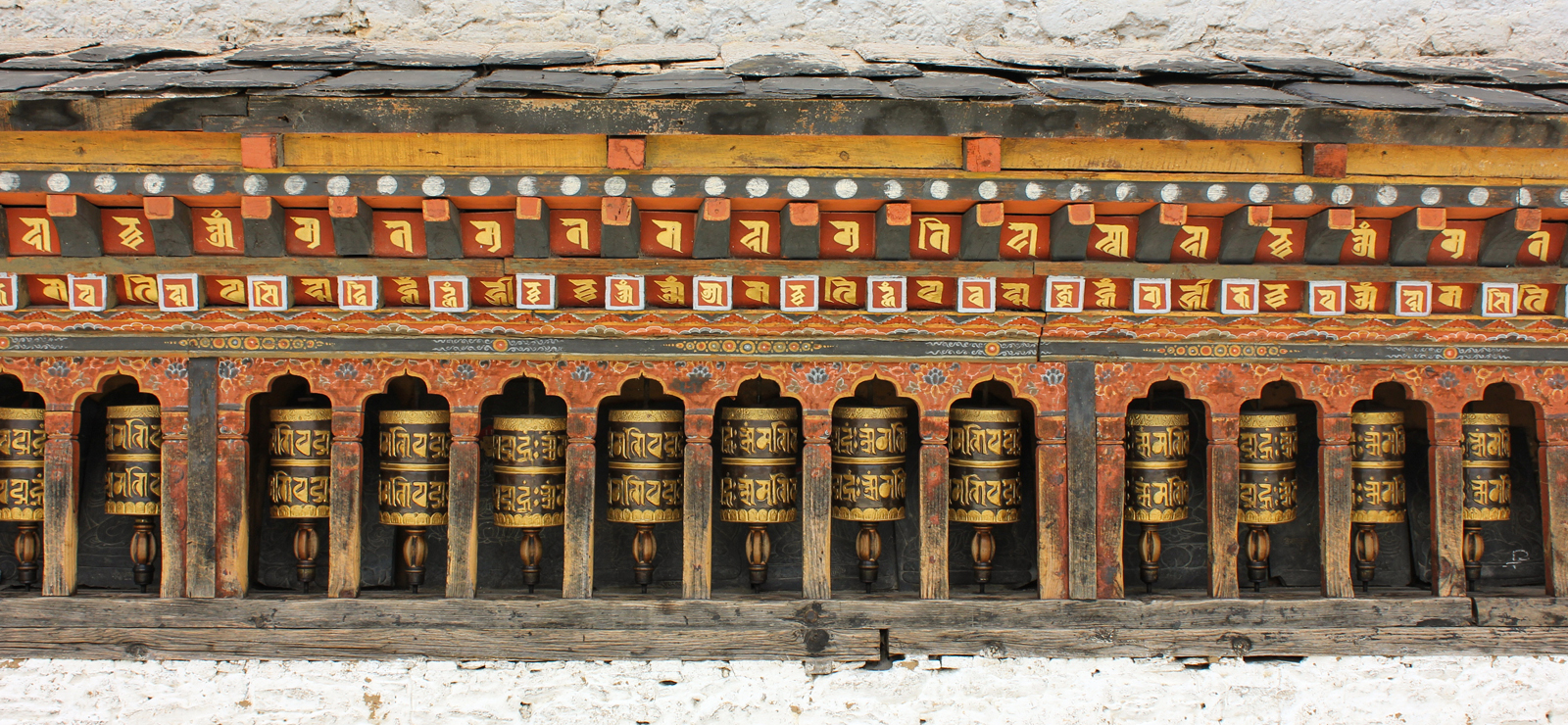



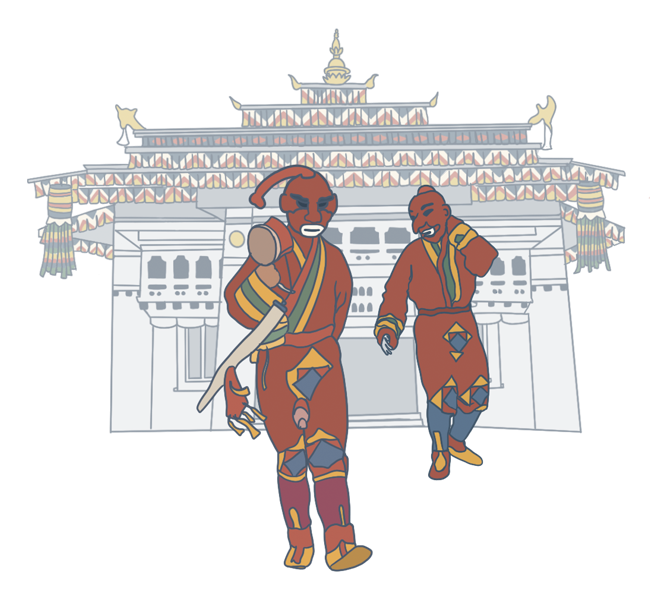


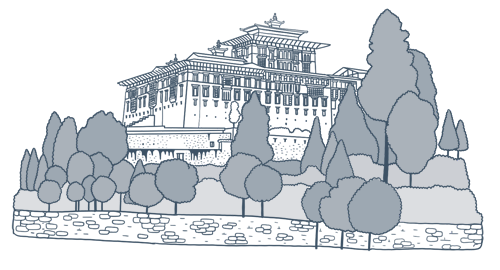
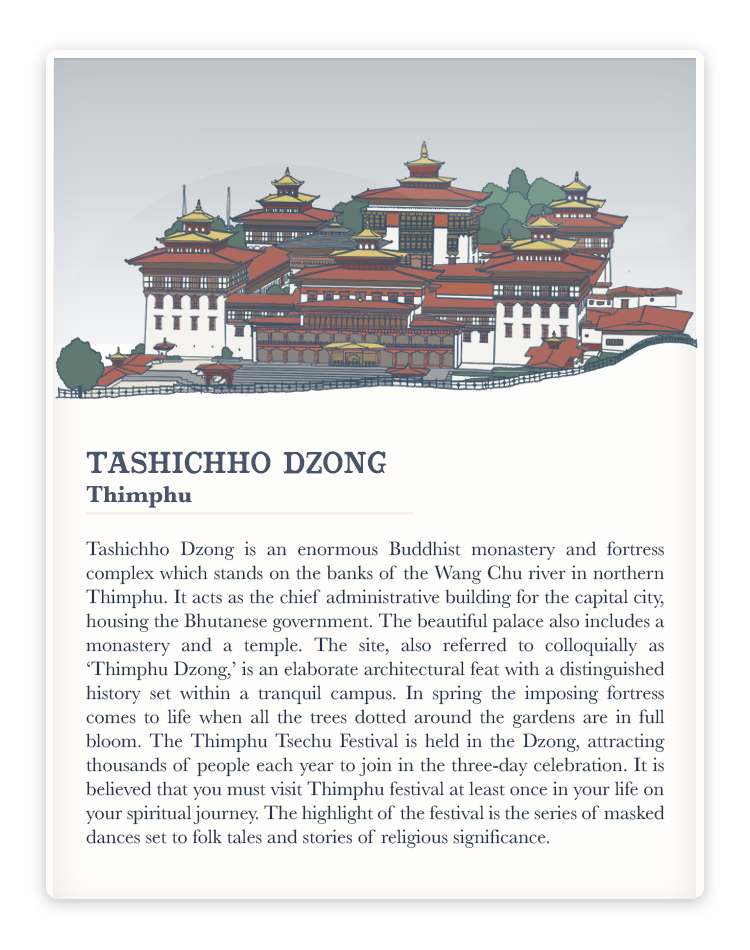
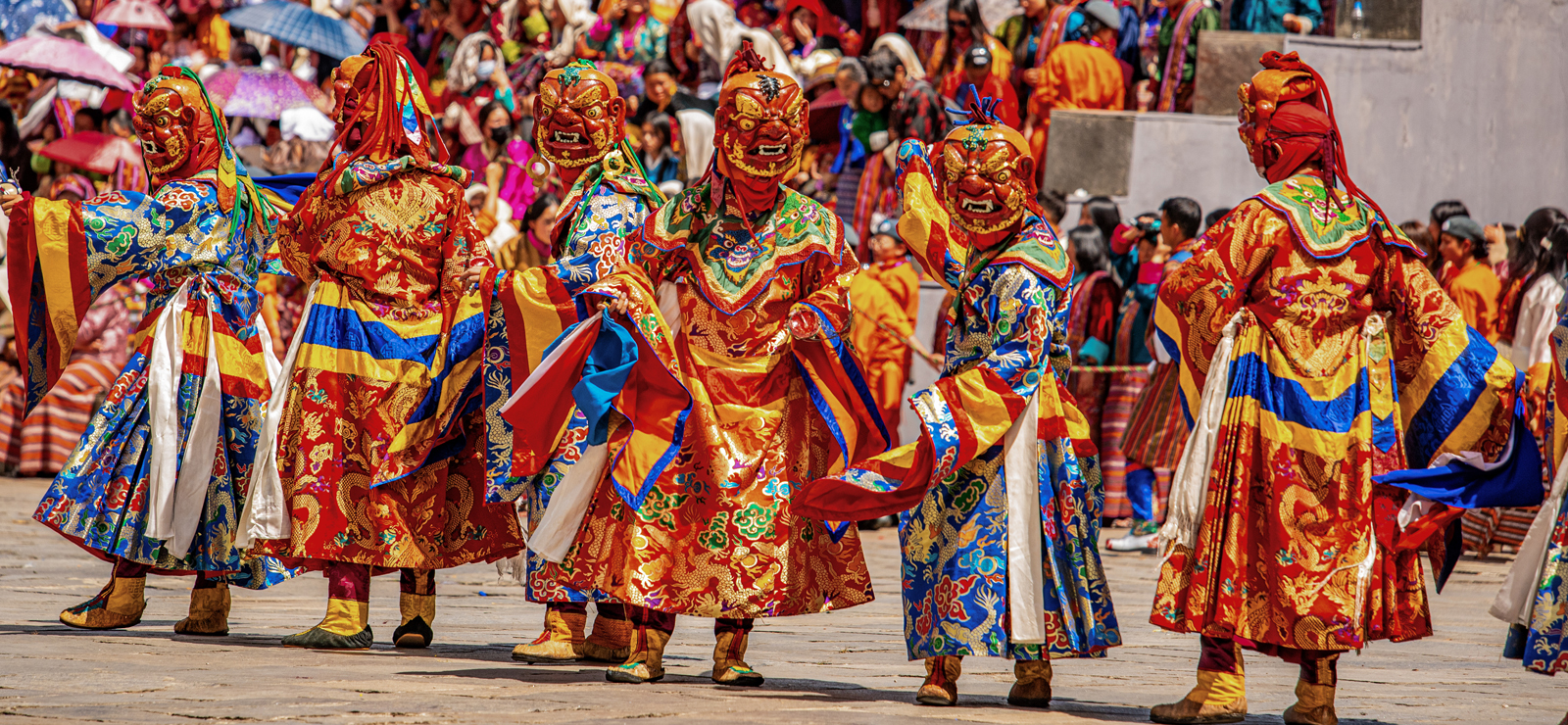
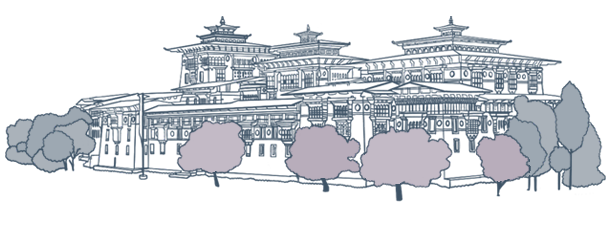
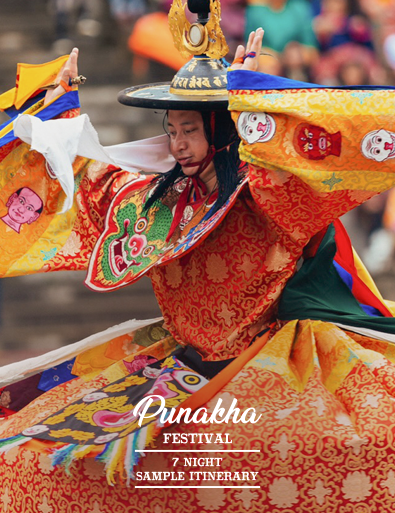
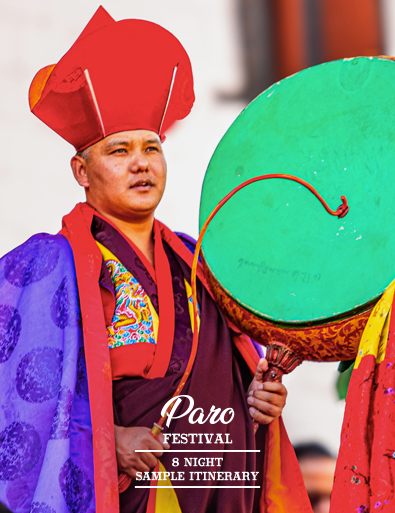
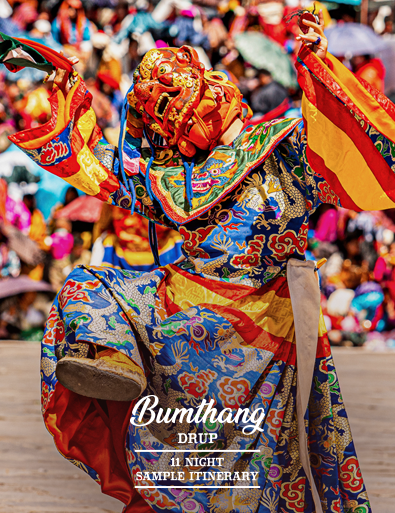
This is the main Secretariat Building, where the Government ministries, the office of His Majesty the King, the throne room, and the living quarters of the monk body and its Chief Abbot are housed. You will see locals dressed in their finest clothes who have walked from miles around to attend the festivities. They come to watch masked dances, to pray, and to feast. While the underlying purpose of the festival is spiritual, dances are more often like plays, telling stories where good triumphs over evil, or depicting significant historical events, especially surrounding the life of Bhutan’s patron saint, Padmasambhava (also known as Guru Rinpoche). There is inevitably a great deal of socialising as well. The occasion provides an opportunity for people to relax and forget the daily routine, and to dress in their finest clothes and jewellery, but it is also an occasion for prayer and blessings.
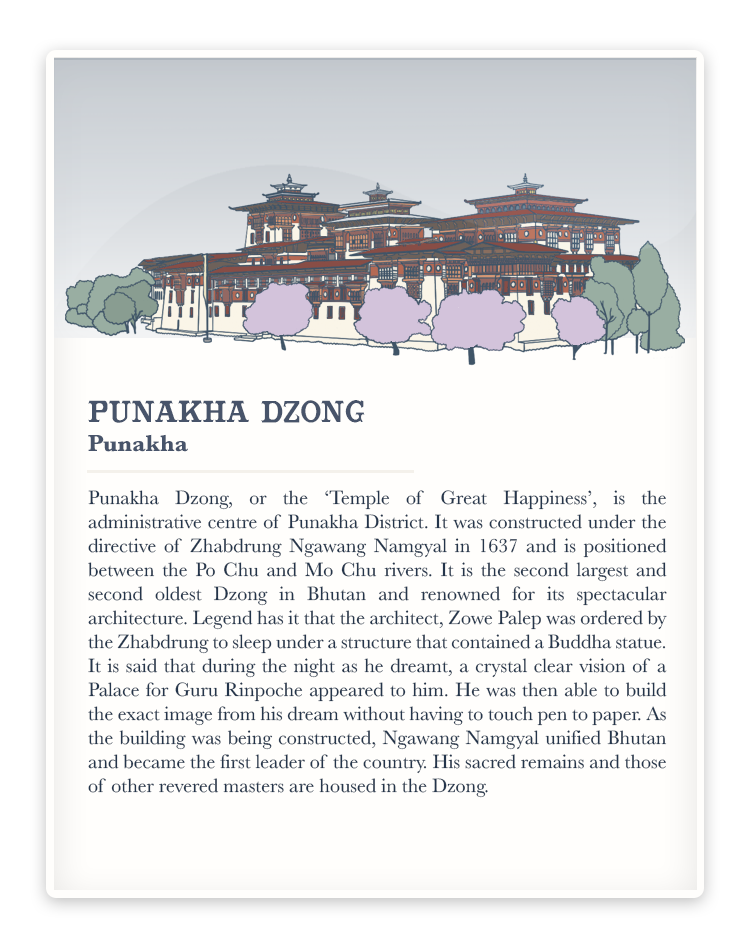
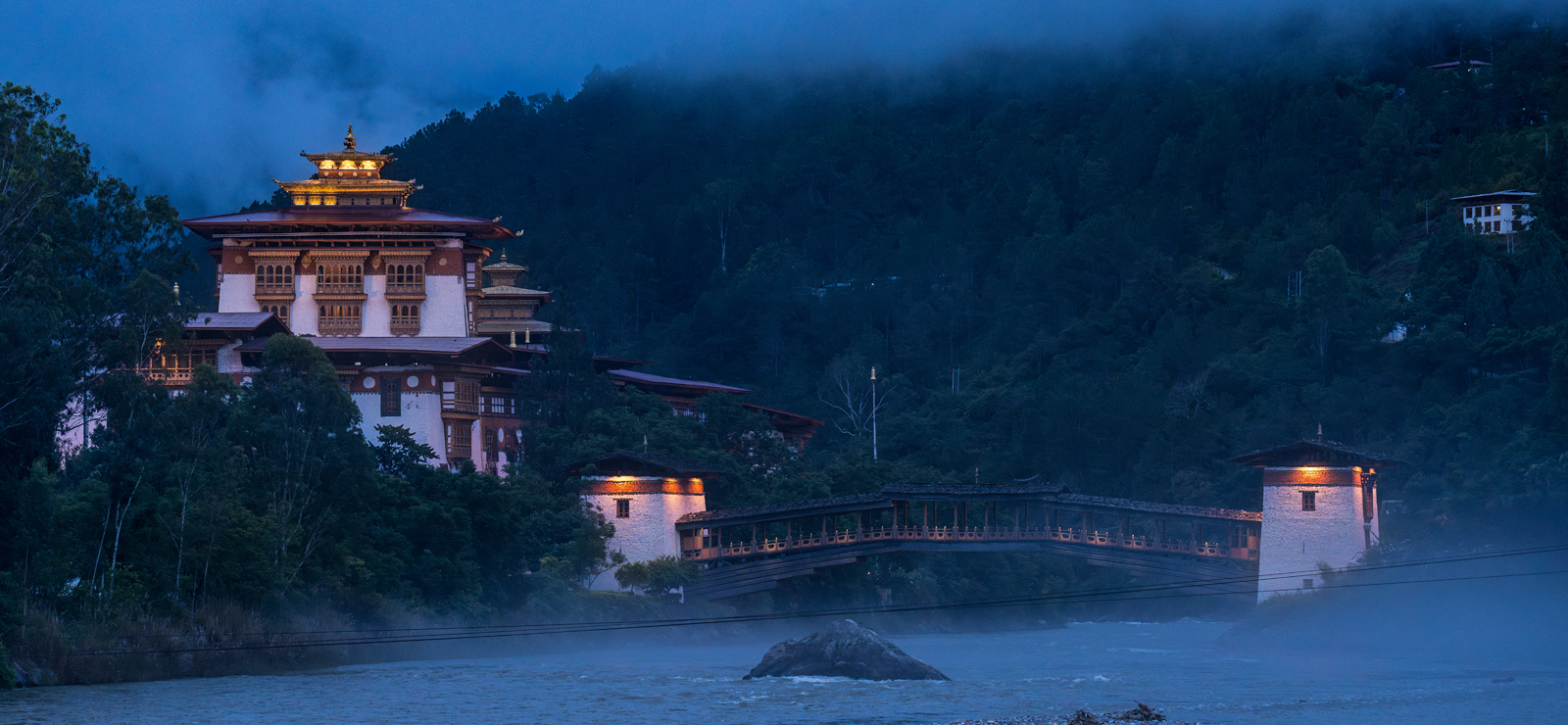
PUNAKHA
DZONG
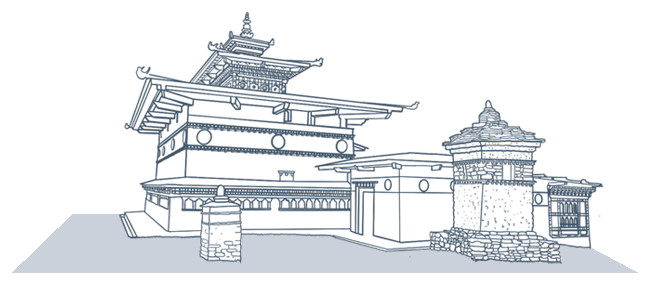
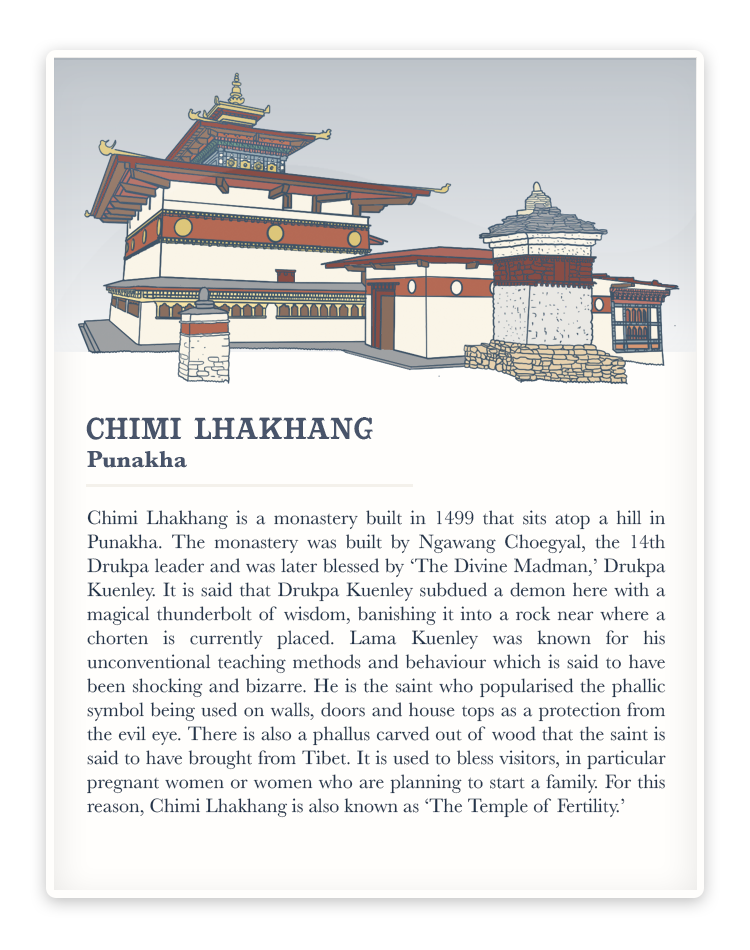
CHIMI
LHAKHANG
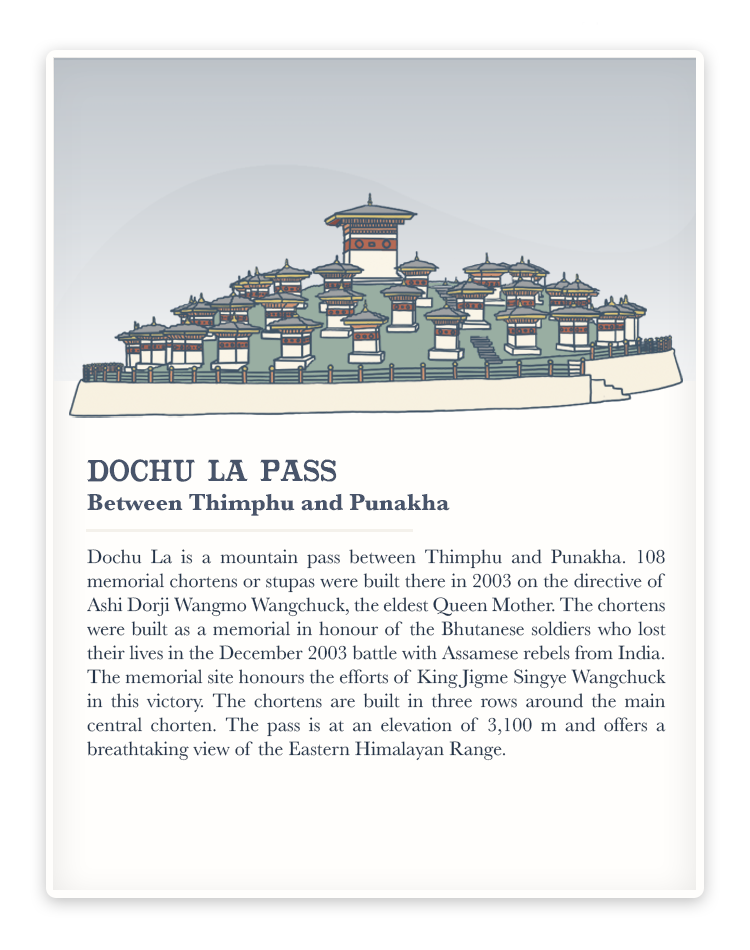
DOCHU LA
PASS





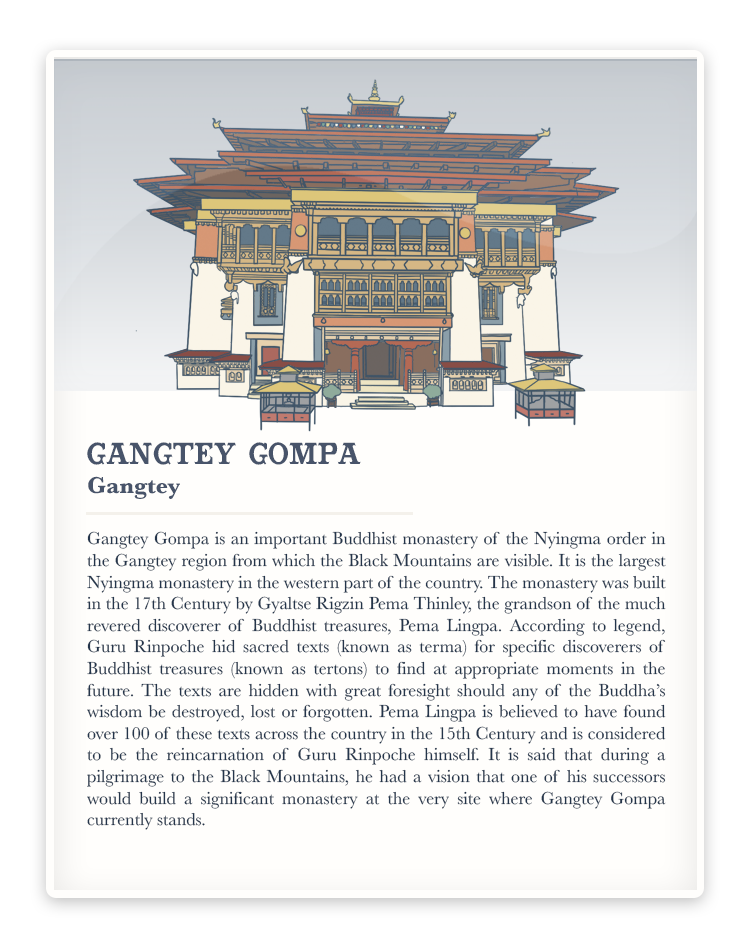
GANGTEY GOMPA


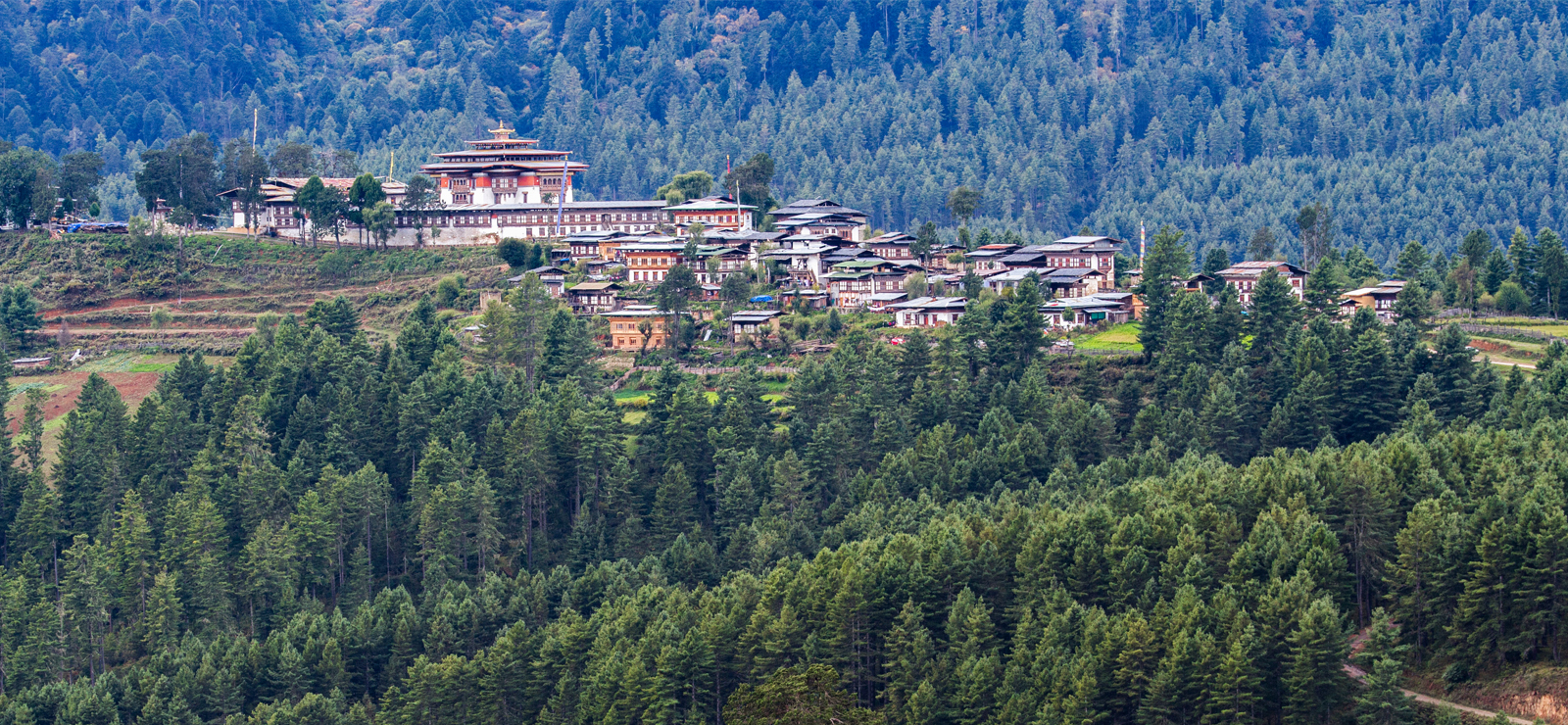
Enjoy the views of the immense and remote Phobjikha Valley and the black mountain ranges. Visit Gangtey Gompa (one of Bhutan’s oldest monasteries) and take a hike in the valley. Overnight in Gangtey village where the villagers continue to live a traditional Bhutanese rural lifestyle.
WANGDI DZONG
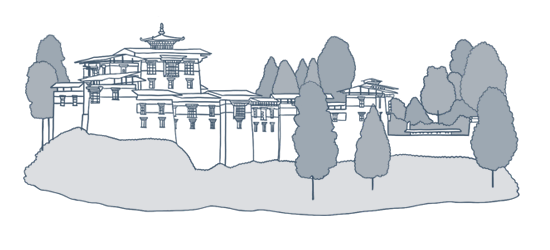



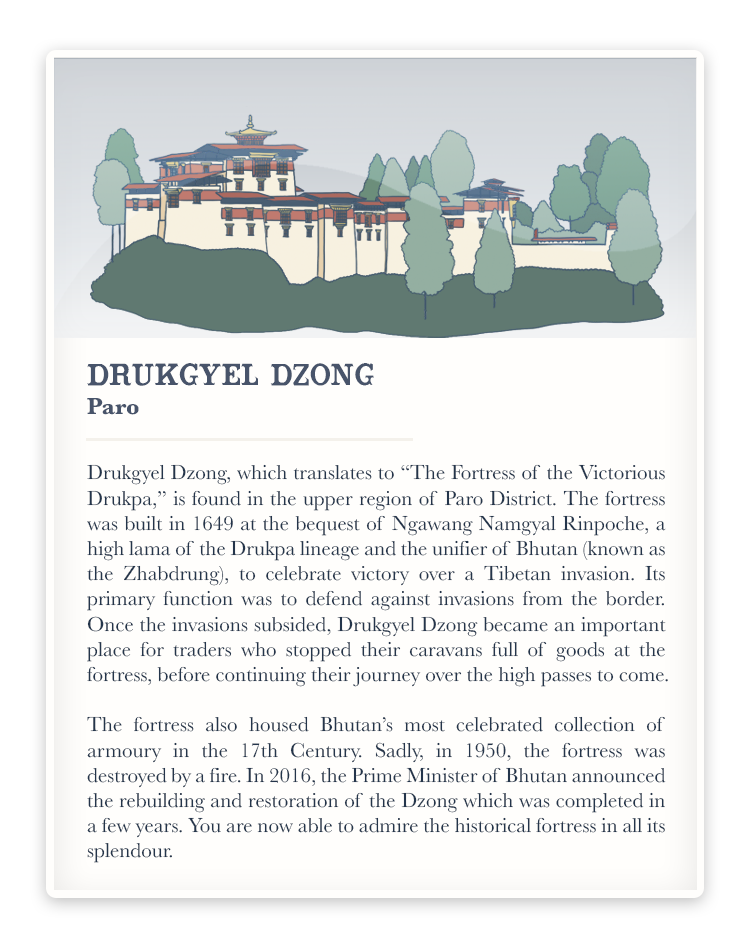
DRUKGYEL DZONG
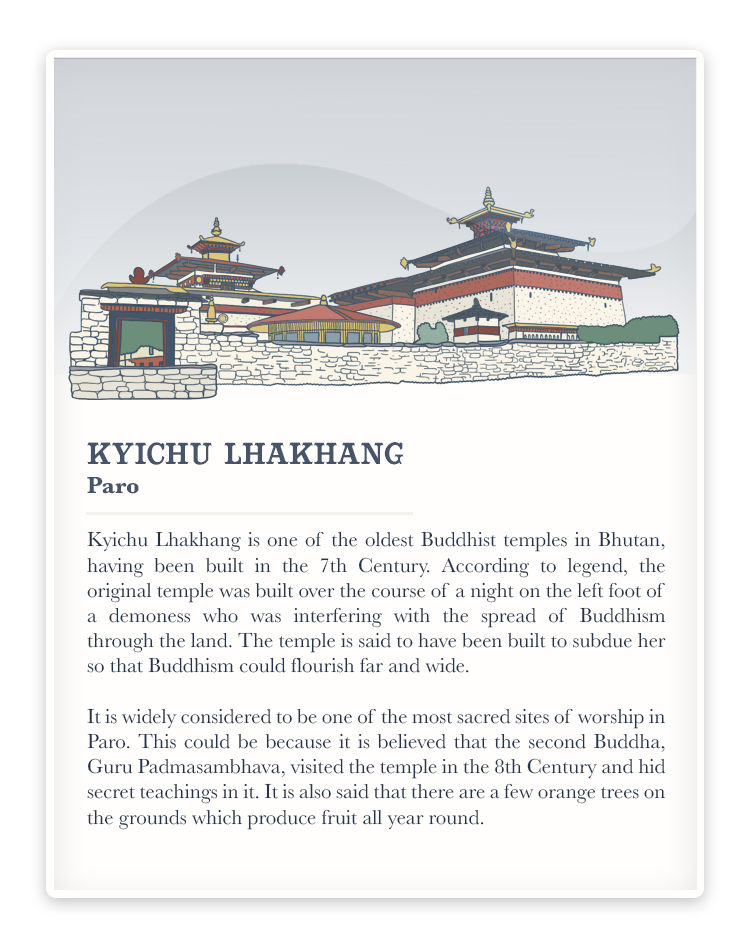
KYICHU LHAKHANG


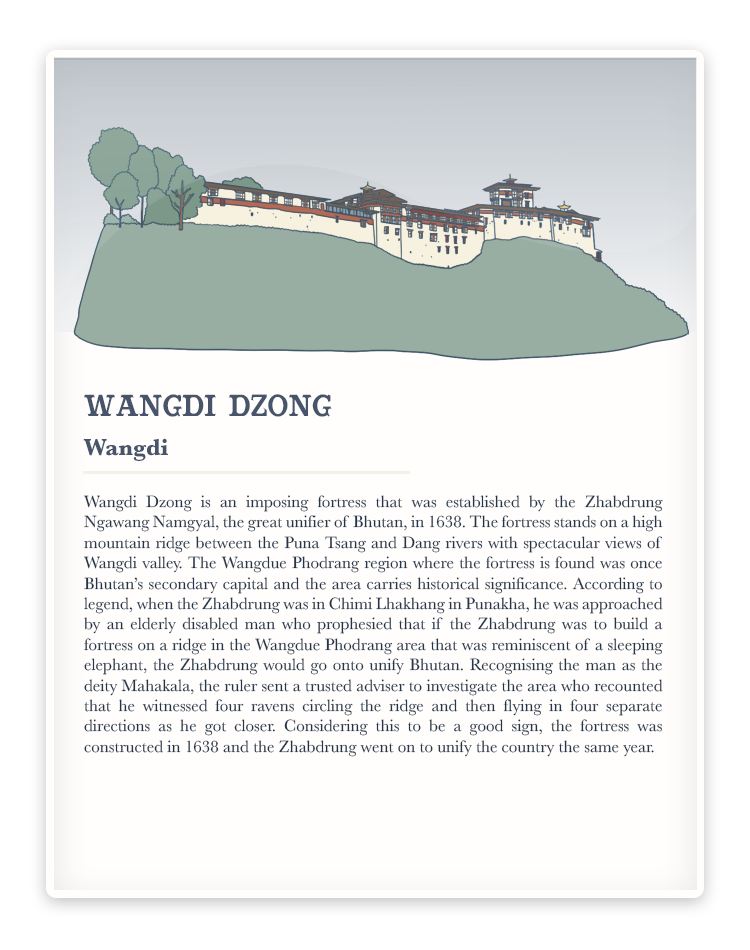
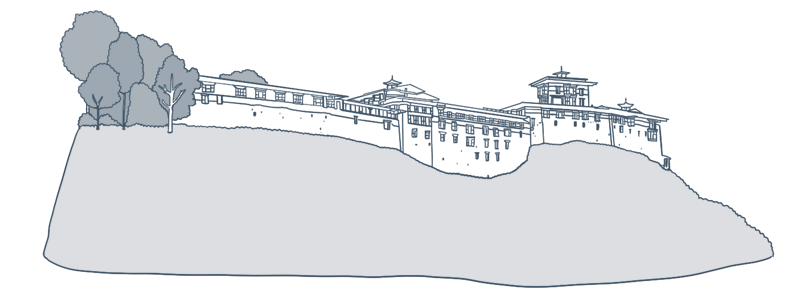
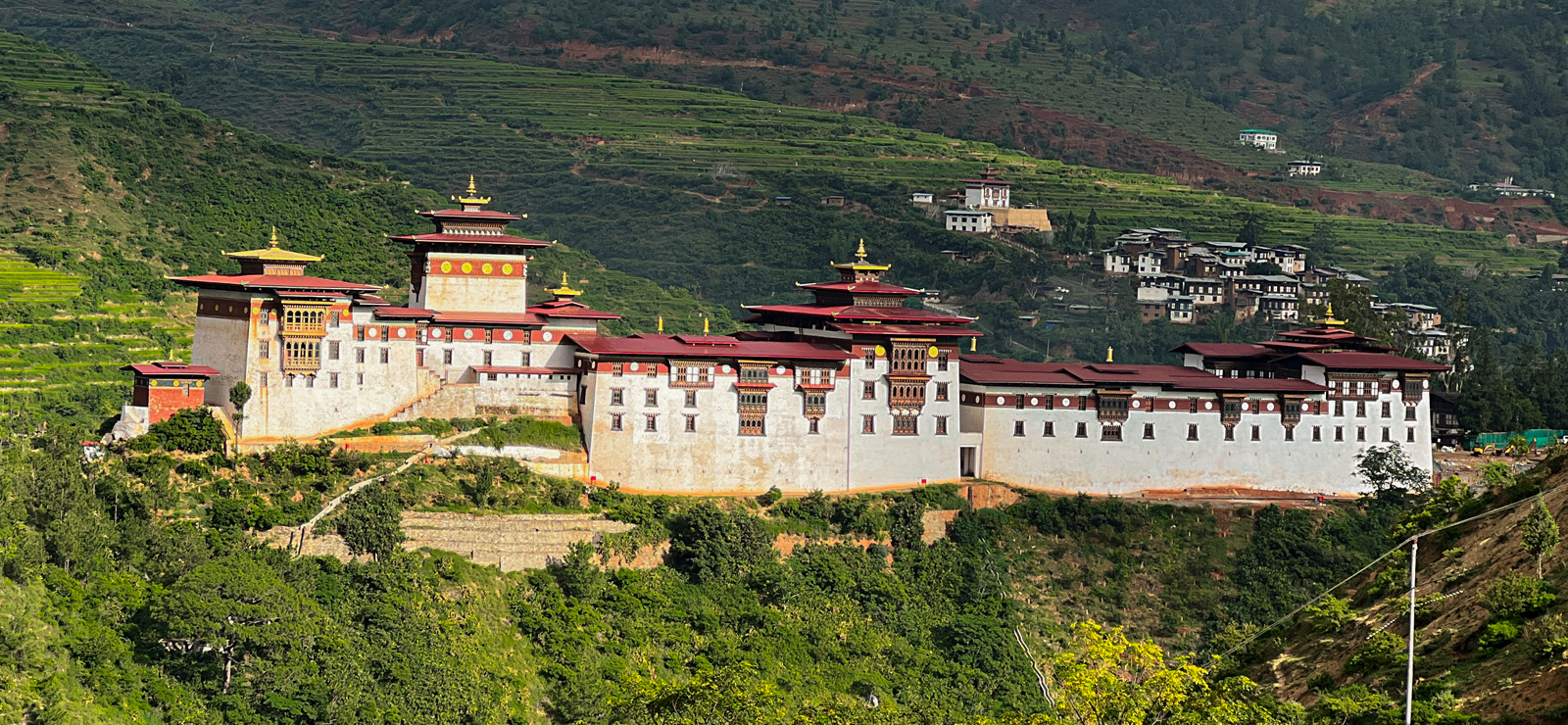
Wangdi Dzong, built by the Shabdrung in 1638 on an auspicious site where four ravens were seen flying in four different directions, was badly damaged in a fire in June 2012 but has been painstakingly renovated over 12 years and is now open to visit. After visiting the Dzong, continue on your way. There may be time this afternoon to visit Drukgyel Dzong (‘fortress of victory’), and the sacred Kyichu Lhakhang (temple).
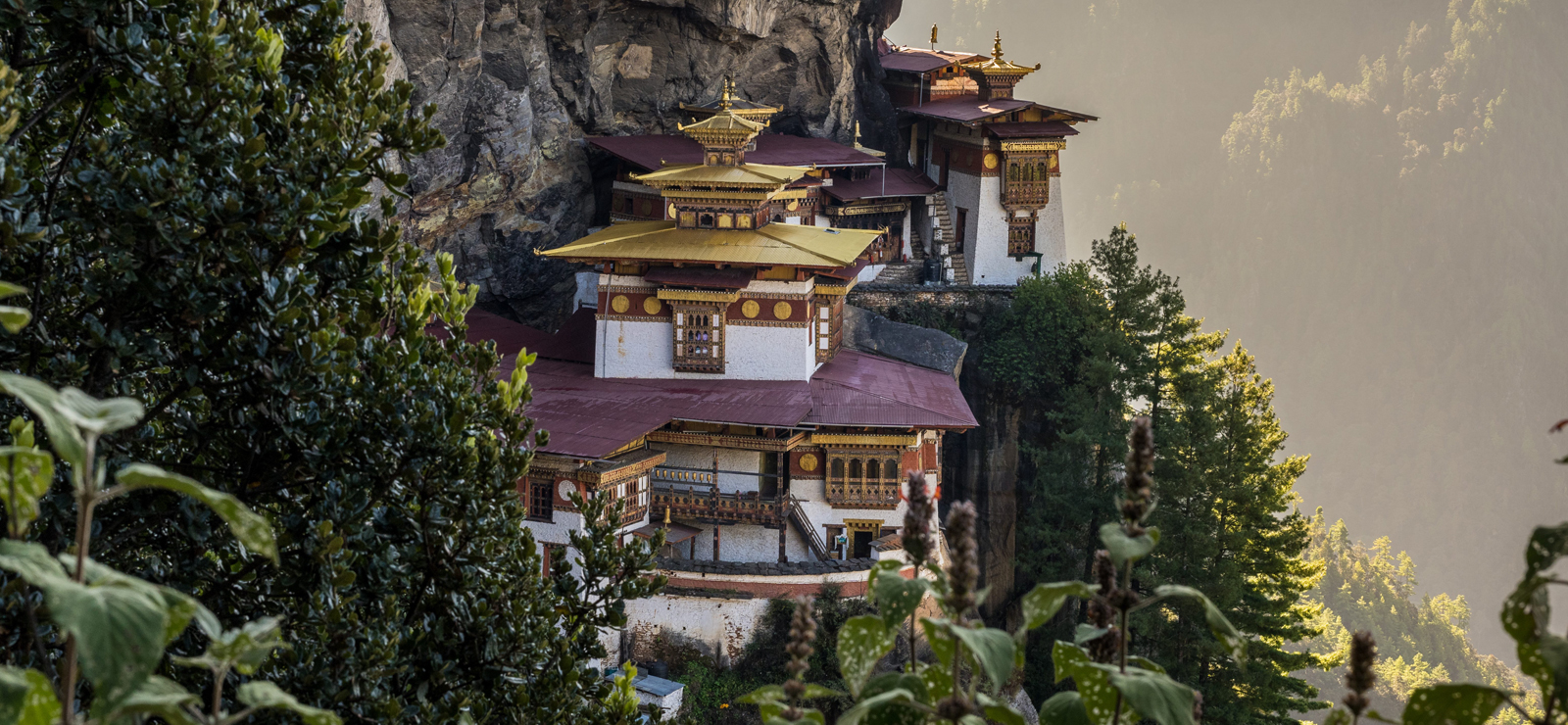
TAKTSHANG
MONASTERY



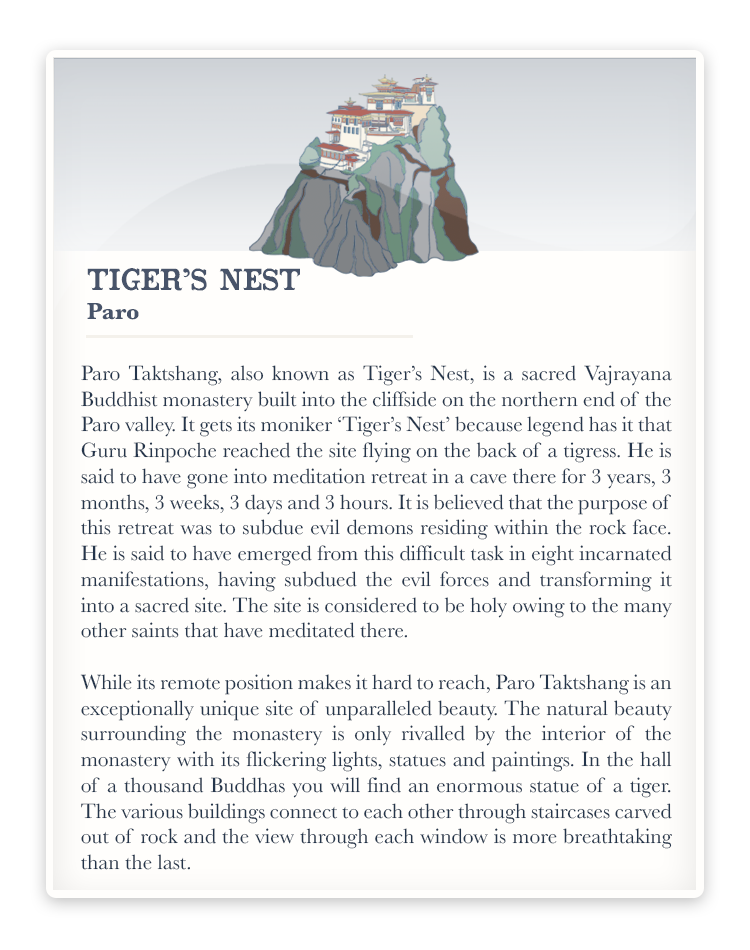
Guru Rinpoche is said to have flown to the site riding on a tigress. He subsequently meditated here for three months. It is one of Bhutan’s most holy sites and draws pilgrims not only from Bhutan but also from neighbouring Buddhist countries. You can have lunch at the Taktshang cafeteria from where you get a spectacular view of the monastery.






Day hikes
Rafting

Mountain biking
Playing archery
Trekking
(with overnight in camp)
Attend a ceremony or blessing
Meet some monks
Visit a nunnery
Visit a pranic healing centre or take meditation classes
Meet a Lama (head monk) and listen to a talk on meditation, Buddhism or the Bhutanese philosophy on Gross
National Happiness
Attend a cookery class
Visit a local farmhouse
Visit the weekly market
Watch an archery match
Try a traditional hot stone bath
Try your hand at traditional games such as khuru, degor and carom
Those activities marked with an asterisk attract an additional supplement - please ask for details

PRICING
You might also like ...
Every traveller is unique and your journey to Bhutan should be too. Whether you have a firm itinerary in mind or are looking for our local recommendations, our quick, fun and completely free trip planner is the perfect place to start. Tell us what inspires you and we’ll craft an adventure tailored just for you.
We would love to help you plan your dream trip to Bhutan.
If you have any questions or would like to discuss a trip please get in touch.